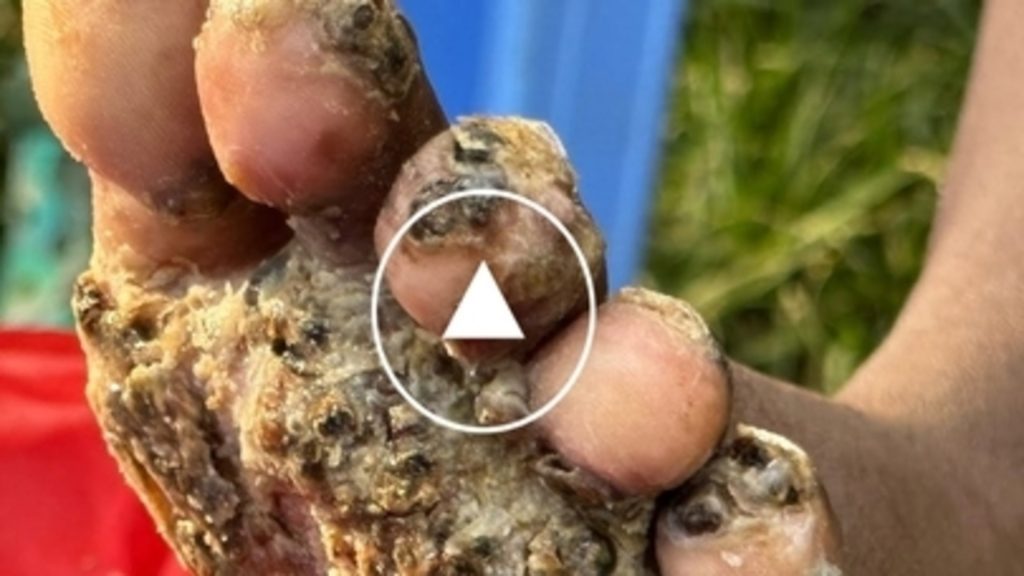
Protecting the feet is an important part of preventing tungiasis, a parasitic skin infestation caused by jigger fleas.
These tiny parasites can affect people who come into contact with contaminated soil or sand, especially when they walk barefoot.
Understanding where exposure can happen and taking simple precautions can help lower the risk.
Why Are Bare Feet More Vulnerable?
When feet are uncovered, there is a direct path between the skin and the ground.
A jigger flea can attach to exposed skin and the female flea can penetrate the skin. The feet are therefore one of the most common areas affected.
The Importance of Wearing Footwear
Wearing shoes or sandals outdoors can provide a physical barrier between the skin and the ground.
Footwear should be used consistently in areas where jiggers are known to be present, especially when walking on soil or sandy surfaces.
Check Your Feet Regularly
Regular inspection can help people notice unusual changes before they become more troublesome.
Look for:
- Small bumps
- Unusual dark spots
- Swelling
- Redness
- Itching
- Tender areas
- Small wounds
If something unusual appears and does not improve, consider seeking professional medical advice.
Avoid Unsafe Removal Methods
A common mistake is trying to remove a suspected jigger using a needle, pin, knife, or another unsterilized object.
This can damage the surrounding tissue and introduce bacteria into the wound.
It is safer to have a healthcare professional assess the lesion and determine the appropriate treatment.
Keeping the Environment Clean
Good hygiene and clean living conditions can also be helpful in reducing exposure.
Regular cleaning of living spaces and paying attention to areas where people spend time barefoot can be part of a broader prevention strategy.
When to Get Medical Advice
Professional medical attention should be considered if a suspected lesion becomes increasingly painful, swollen, red, or produces pus.
Medical evaluation is also important when there are many lesions or when walking becomes difficult.
Final Thoughts
Jiggers are small, but prevention can make a significant difference. Wearing protective footwear, checking the feet regularly, and avoiding unsafe removal methods are simple ways to protect the skin.
If you suspect tungiasis, seek advice from a qualified healthcare professional rather than attempting to treat the lesion with unclean tools.
Disclaimer: This article is for general educational purposes only and does not replace professional medical diagnosis or treatment.