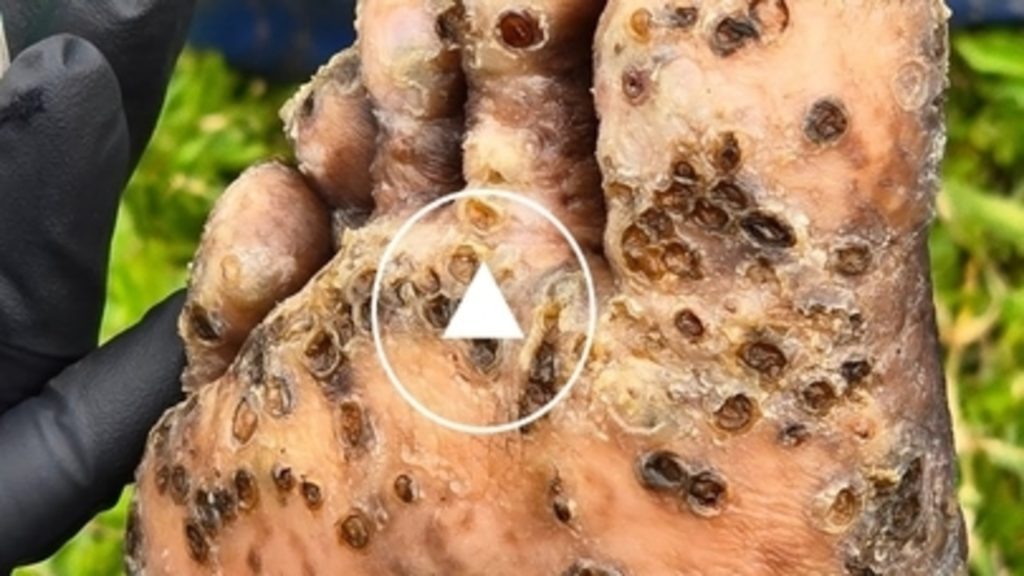
Jiggers, medically known as tungiasis, are a skin condition caused by a tiny parasitic flea called Tunga penetrans. The condition most commonly affects the feet and toes and is more common in warm, tropical areas.
What Are Jiggers?
Jiggers are tiny fleas that can enter the skin, particularly when a person walks barefoot on contaminated soil or sand. The female flea can burrow into the skin and remain there while feeding and developing.
The feet, toes, and areas around the toenails are the most commonly affected parts of the body.
Common Symptoms of Jiggers
People with tungiasis may experience several symptoms, including:
- Itching or irritation around the affected area
- Pain and tenderness
- Redness and swelling
- A small dark spot in the center of the affected area
- Difficulty walking when the infestation is severe
- Skin inflammation
- Possible bacterial infection if the wound becomes damaged or contaminated
How Do People Get Jiggers?
Jiggers are usually acquired by walking barefoot on soil or sand where the fleas are present. The flea can attach to the skin and penetrate it.
People who frequently walk barefoot in areas where tungiasis is common may have a higher risk of becoming infected.
How Are Jiggers Treated?
Treatment depends on the severity of the infestation. A healthcare professional can examine the affected area and recommend the appropriate treatment.
People should avoid trying to remove a jigger with an unclean needle, knife, or other sharp object. Attempting to remove the parasite incorrectly can cause bleeding, tissue damage, and bacterial infection.
Medical attention is especially important when there are many lesions, severe pain, significant swelling, or signs of infection.
How Can Jiggers Be Prevented?
There are several ways to reduce the risk of tungiasis:
- Wear shoes or sandals when walking outdoors.
- Avoid walking barefoot on potentially contaminated soil or sand.
- Keep living areas clean.
- Check the feet regularly for unusual spots, swelling, or irritation.
- Maintain good personal hygiene.
- Seek medical care if suspicious lesions appear or become painful.
When Should You See a Doctor?
You should seek medical attention if the affected area becomes very painful, significantly swollen, produces pus, develops spreading redness, or if you have multiple lesions.
People with diabetes or weakened immune systems should take foot wounds seriously and seek professional medical advice promptly.
Conclusion
Jiggers can start as a small skin problem but may become painful and can sometimes lead to secondary bacterial infections. Wearing protective footwear, maintaining clean living conditions, and seeking appropriate medical care can help reduce the risk of complications.
If you suspect that you have tungiasis, a healthcare professional can provide an appropriate diagnosis and treatment plan.
Disclaimer: This article is for general educational purposes only and should not replace professional medical advice.