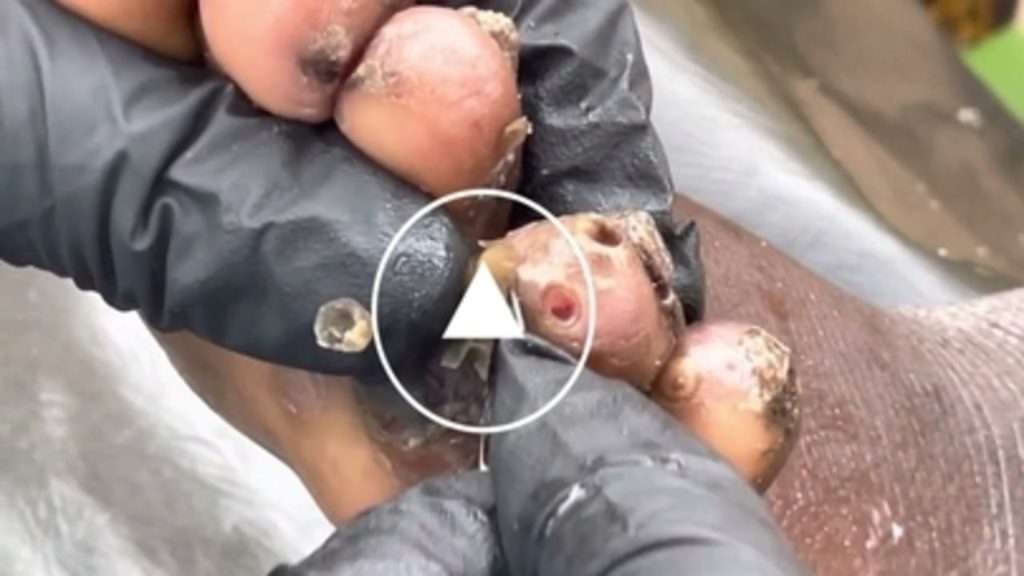
Jiggers can be a painful and uncomfortable skin infestation, especially when they affect the feet. The condition is known as tungiasis and is caused by a tiny parasitic flea called Tunga penetrans.
Because the early signs can be easy to overlook, knowing what to look for can help people recognize the problem and seek appropriate care.
Why Do Jiggers Commonly Affect the Feet?
The feet are often exposed to soil and sand, particularly when people walk without shoes. This gives jigger fleas an opportunity to come into contact with the skin.
The toes, soles, and areas around the toenails are among the places where lesions may commonly appear.
What Does a Jigger Lesion Look Like?
A jigger lesion may begin as a very small spot on the skin. As the parasite develops, the surrounding skin can become irritated and swollen.
A person may notice a small dark point in the center of the lesion. The area can also become itchy or tender, particularly when pressure is placed on the foot.
Signs That May Need Attention
Some possible signs of tungiasis include:
- Small bumps on the feet
- Persistent itching
- Localized pain or tenderness
- Swelling around the affected area
- Redness or irritation
- A dark spot in the center of a lesion
- Difficulty walking when several lesions are present
Why Should Jiggers Not Be Ignored?
Although a small lesion may initially seem harmless, scratching or damaging it can increase the possibility of bacterial infection.
Multiple lesions can also cause considerable discomfort and make normal activities such as walking more difficult.
What Should You Do?
If you suspect that a lesion may be caused by a jigger, avoid attempting to remove it with an unclean object.
A healthcare professional can examine the area and determine the safest approach to treatment.
Prevention Is Important
Wearing shoes or sandals outdoors can reduce direct contact between the feet and potentially contaminated soil.
Regularly checking the feet can also help people notice unusual lesions early.
Final Thoughts
Jiggers are tiny parasites, but their effects can be uncomfortable. Paying attention to unusual spots, swelling, itching, or pain on the feet can help people recognize possible tungiasis.
If symptoms become severe or signs of infection develop, professional medical advice should be sought.
Disclaimer: This article is for general educational purposes only and is not a substitute for professional medical advice.