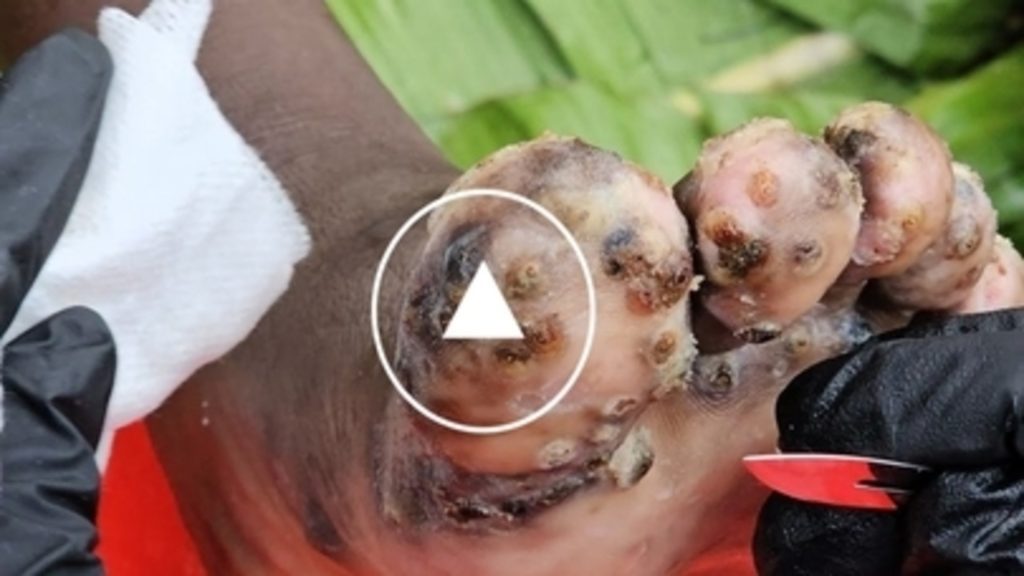
Jiggers are tiny parasitic fleas that can cause a skin infestation known as tungiasis. Although these parasites are very small, they can cause noticeable irritation and discomfort, especially when they affect the feet.
Tungiasis is more commonly found in tropical and subtropical environments where people may come into contact with contaminated soil or sand.
What Happens When a Jigger Enters the Skin?
Unlike ordinary fleas that usually remain on the surface of the skin, the female jigger can penetrate the skin and become embedded.
After entering the skin, it can grow and produce an inflammatory reaction around the affected area. This is why a person may notice a small bump, itching, tenderness, or swelling.
The toes and soles of the feet are particularly vulnerable because they are often exposed when people walk barefoot.
Early Signs to Watch For
A jigger infestation may initially be difficult to notice. A person might see a tiny spot on the skin or feel mild itching in one particular area.
As the lesion develops, the area may become more noticeable. Swelling, discomfort, and a small dark point in the center of the lesion can sometimes appear.
Finding the problem early can make it easier to seek appropriate care before complications develop.
Why Can Jiggers Become Painful?
The body’s immune system reacts to the parasite inside the skin. This reaction can cause inflammation around the lesion.
Pain may become more noticeable when the affected area is under pressure, which is one reason jiggers on the feet can make walking uncomfortable.
Having several lesions at the same time can make the discomfort considerably worse.
Can Jiggers Cause Infection?
Yes. A damaged tungiasis lesion can become infected with bacteria.
This risk can increase when a person scratches the area repeatedly or attempts to remove the parasite using unclean objects.
Signs that may suggest a secondary infection include increasing redness, swelling, warmth, pain, or pus. Anyone experiencing these symptoms should consider seeking medical attention.
Why Is Walking Barefoot a Risk?
Jigger fleas can live in environments containing soil or sand. When unprotected feet come into contact with contaminated ground, the fleas have an opportunity to attach to the skin.
This is why footwear can play an important role in reducing exposure.
Simple Prevention Tips
Protecting the feet is one of the easiest ways to reduce the risk of tungiasis.
Helpful habits include:
- Wear shoes or sandals when walking outdoors.
- Avoid walking barefoot in areas where jiggers are known to occur.
- Keep feet clean and check them regularly.
- Pay attention to unusual bumps, dark spots, or areas of irritation.
- Keep wounds clean and covered.
- Seek professional medical advice when a suspicious lesion develops.
Avoid Removing Jiggers With Unclean Tools
One of the most important precautions is avoiding unsafe attempts to remove a suspected jigger.
Using needles, pins, knives, or other unsterilized objects can damage the surrounding skin and introduce bacteria into the wound.
Professional assessment is a safer option, particularly when the infestation is extensive or the affected area appears infected.
When to Seek Medical Help
Medical advice is recommended when a suspected jigger causes significant pain, increasing swelling, discharge, spreading redness, or difficulty walking.
People with multiple lesions should also consider professional evaluation so that the condition can be managed appropriately.
Final Thoughts
Jiggers are small parasites, but the skin reaction they cause can be uncomfortable and, in some cases, lead to complications.
Understanding how tungiasis develops and recognizing early changes in the skin can help people respond appropriately. Wearing protective footwear and avoiding barefoot exposure in affected environments are simple steps that can reduce the risk.
If you suspect a jigger infestation, avoid using unclean tools to remove it and seek advice from a qualified healthcare professional.
Disclaimer: This article is provided for general educational purposes and is not a substitute for professional medical diagnosis or treatment.